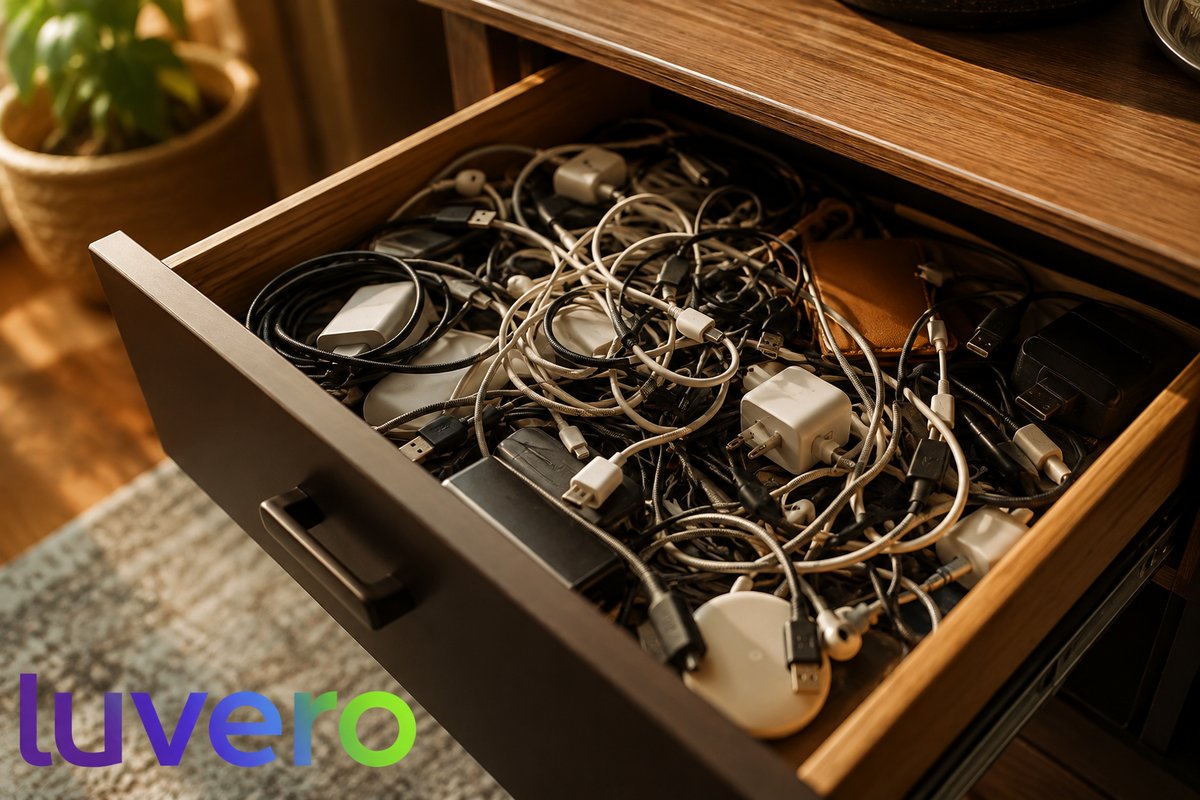
Zombie subscriptions: the dead tools eating your cash flow
Some of the software you pay for died months ago. You stopped using it, you forgot about it, and it still takes payment every month.
I call these zombie subscriptions. They sit in your bank feed disguised as small, harmless charges: £9.99 here, £14.99 there. None of them looks worth worrying about. Add them up over a year and they can quietly eat hundreds or thousands of pounds that should have been profit, owner’s pay or tax savings.
The good news: they are easy to kill once you go looking. Here is how they get in, why creative businesses collect more of them than most, and how a simple quarterly audit clears them out.
How the zombies get in
Most creative businesses start with energy and optimism. You sign up for every tool that promises to make life easier: project management, email marketing, design software, a CRM, automation apps.
Each one feels like a sensible purchase at the time. Then your systems change, a team member leaves, a project ends, and the tool stops earning its keep. Nobody cancels it, because nobody remembers it exists.
Subscriptions are built to be forgettable. They auto-renew in the background with no reminder and no decision required. That is the whole problem. A zombie subscription never bites hard once. It nibbles endlessly.
Why creative businesses collect zombie subscriptions
Three patterns come up again and again with agency and studio owners.
Curiosity costs money. Creative people love trying new tools. The enthusiasm of the free trial often outlasts the actual use.
There is no review rhythm. When your attention is on clients and projects, small recurring costs renew without scrutiny. Nothing forces you to look.
The business grows faster than its systems. Your tech stack evolves, but the old tools never formally die. They linger on the card, feeding on cash.
None of this makes you careless. It makes you normal. The fix is a routine, not a personality change.
What the dead weight really costs
A client of mine, a creative agency, was spending close to £800 a month on software. When we audited it, a meaningful slice was going to tools nobody had opened in over six months: a design platform abandoned when the team moved on, a scheduling app replaced by another, and a couple of plug-ins that had stopped working entirely.
Cancelling the dead ones freed up a few hundred pounds a month. Over a year, that is real money. In their separate-accounts structure it went straight into the profit and owner’s pay accounts instead of vanishing into the operating expenses account.
That is the point worth sitting with. Every zombie subscription is money that had a better job to do.
How to run a subscription audit
Set aside an hour. Here is the process I use with clients.
Step 1: Export the data. Pull the last three months of transactions from your bank or bookkeeping software. Highlight every repeated monthly or annual charge.
Step 2: List every subscription. Note the cost, what it does, and who actually uses it.
Step 3: Sort into three piles. Keep (used regularly, clearly earning its place). Review (occasional use, possibly replaceable or pausable). Cancel (no longer serves how you work now).
Step 4: Cancel and consolidate. Log in and cancel the dead ones. Where two tools overlap, keep the better one and drop the other.
Step 5: Check the hiding places. Old PayPal agreements and payments on expired cards can keep running long after you think they are gone. And if you pay per seat, check for logins belonging to people who left. Unused seats are zombies too.
Step 6: Move the savings. Work out the monthly amount you have recovered and transfer it, deliberately, into your profit or owner’s pay account. If it stays in the current account it will just get spent again.
Keep the zombies down for good
One audit is satisfying. A routine is what protects your cash flow.
Put a recurring reminder in the calendar to repeat the audit every quarter. Review any new tool after three months, and cancel it if it has not proved its value. Consider a separate card for all subscriptions, so every recurring cost sits in one easy-to-scan place.
If you run separate accounts for tax, profit and pay, this discipline is built in. When your operating expenses account holds a deliberately limited allocation, bloat shows up fast, and every recurring charge has to justify its place.
A good subscription saves you time or makes you money. If it does neither, it does not deserve a seat in your business.
Ready to clear out the dead weight?
Zombie subscriptions thrive on neglect. The moment you start looking, they lose.
If you would like help auditing your costs and setting up a cash flow structure that keeps them from creeping back, I do this with creative business owners all the time. You can book an initial chat and we will take a look together.
